
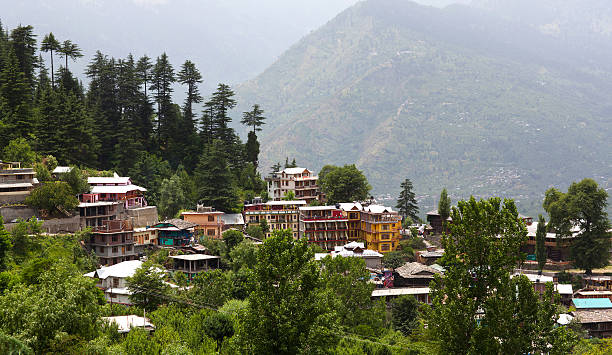

The concept of combining work and vacation, or “workation,” is becoming more popular in India in the era of remote work and digital flexibility. And nothing compares to the allure of the Himalayas for mind-blowing scenery, clean mountain air, and tranquility. Planning a workation in the Himalayas may be a revitalizing and productive experience, whether of whether you are a corporate employee working remotely, a freelancer, or the founder of a business. This is a comprehensive guide to organizing the ideal Himalayan vacation.
Select the Ideal Location for Your Requirements
Himachal Pradesh, Uttarakhand, Jammu & Kashmir, Sikkim, and portions of North Bengal are among the Indian states that are surrounded by the Himalayas; each has its own distinct terrain and atmosphere. Selecting a location that meets your personal preferences, travel preferences, and work demands is the first step in organizing a workation.
Manali, Dharamkot, Bir, McLeod Ganj (Himachal Pradesh), and Rishikesh, Nainital (Uttarakhand) are excellent choices for improved connection and community since they have robust backpacker ecosystems and dependable internet.
Consider Tirthan Valley, Jibhi, Chopta, Mukteshwar, or Kalimpong if you’re looking for a quiet, natural setting where you may work without interruptions.
If you’re new to the area, start with semi-urban mountain towns that provide regular transportation, stores, hospitals, and co-working spaces in case you need them.
Make sure the power backup and internet are set up.
On a workation, dependable internet is a must. Good 4G coverage is currently available in several Himalayan towns from companies like Vi, Jio, and Airtel. But not every isolated community has reliable power or strong communications.
Request a speed test snapshot from your host before to making a reservation, and find out whether there is a power inverter or Wi-Fi backup. Always download offline copies of critical business files, and have a JioFi or Airtel Hotspot device on hand as a backup.
Having a fully charged laptop battery and your own power bank might help you get through brief outages in places where power outages are common. Look for a space with enough lighting and a quiet area if you answer a lot of calls or participate in video conferences.
Reserve Lodging That Encourages Extended Stays
Not every hotel or guesthouse can accommodate a workation. Seek for workspaces that provide high-speed internet, a cozy desk arrangement, and a calm environment. Nowadays, a lot of mountain cottages, boutique homestays, and hostels promote themselves as workation-ready.
Listings on websites such as Airbnb, Workstays.in, Zostel, and goSTOPS provide explicit details regarding features like Wi-Fi, work desks, and long-term savings.
Always inquire about:
Weekly or monthly savings
Meal planning or access to the kitchen
Facilities for laundry
Local stores or choices for meal delivery
Level of noise and privacy throughout the day
In addition to providing a distinctive cultural experience, homestays with local families may also provide individualized care, which can make extended visits more pleasant.
Pack as if you were moving rather than on a vacation.
You will need more than your usual travel equipment while traveling to the Himalayas for a workation. Consider it akin to relocating your workspace and way of life into the mountains.
Among the necessities are:
The laptop with its charger
Board for extensions
Earbuds or microphone-equipped headphones
A portable Wi-Fi gadget
A power bank of 20,000mAh is recommended.
Wear warm clothing since, even in the summer, mountains may become cold.
Reusable food and a water bottle
Basic first aid supplies and toiletries
Include thermals or rain gear on your list if you’re going in the winter or during the rainy season. Keep in mind that you are traveling for weeks, not days, so pack wisely yet light.
Strike a Smart Balance Between Work and Exploration
A workation is about utilizing nature to rejuvenate in between duties, not merely about working while enjoying a view. Establish a schedule that will enable you to be effective at work and yet have time to take in your surroundings.
Get up early, do your most important tasks before lunch, and save the evenings for walks, coffee dates, or just taking in the scenery. Take advantage of the weekends for hikes, natural excursions, or temple visits.
Don’t overbook your schedule. Immersion in the mountain rhythm while maintaining your professional obligations is the aim, not burnout from continuous travel.
Examine nearby co-working spaces and cafés.
Nowadays, several settlements in the Himalayas serve distant workers and digital nomads. With Wi-Fi, charging stations, and peaceful areas to plug in and work, cafés like Dharamkot, Kasol, Manali, and Rishikesh often serve as work centers.
Additionally, a few co-working spaces have appeared in places like:
Manali (Alt Life, Mountains & Macchiato)
Dharamshala (CoworkIn, The Other Space)
The Rafting Base Cowork in Rishikesh
These locations provide the ideal setting for networking, idea sharing, and concentrated work. Choose a home with a balcony overlooking the mountains so you may work quietly if you like to be alone.
Continue to Connect Without Consuming
Your outlook on work-life balance may alter if you work from the Himalayas. However, don’t let the same tranquility you sought to be destroyed by digital pressures. Establish limits with your coworkers, clients, and team. Make sensible use of communication technologies by keeping Teams, Zoom, or Slack available during business hours and logging out thereafter.
Refrain from sharing too much on social media. Rather, write down your experiences, practice silent meditation, or go on lengthy walks in the forest; these activities will remain with you long after the workation is over.
Think About Local Assistance and Conscientious Travel
There are responsibilities associated with being a frequent visitor to mountain villages. Eat at family-run cafés, shop for groceries in the village, and support neighborhood businesses. Steer clear of plastic, don’t leave trash on hikes, and use water and power sparingly—all of which are scarce in the highlands.
Participate respectfully if your host provides cultural activities such as guided tours or culinary lessons in the area. Workplaces should enhance the quality of the area you’re living at, not merely provide you with a respite.
The Best Times to Work in the Himalayas
For most areas, March through June is ideal because of the nice weather and blossoming valleys.
Post-monsoon clarity from September to November is ideal for trekking and working.
Snowy and lovely, December through February is only appropriate if you can withstand freezing temperatures and power outages.
Steer clear of the July–August monsoon, especially in Himachal and Uttarakhand, where landslides are frequent.
Concluding remarks
A unique opportunity to blend deadlines with morning vistas, productivity with tranquility, and Zoom calls with forest treks can be found on a Himalayan workation. Many Indians are adopting this lifestyle experiment in an effort to find a more meaningful rhythm to their work and life, as well as to leave the city.
Your workation in the Himalayas might be more than simply a vacation if you prepare beforehand, have the correct attitude, and are open to change. It could be a creative and emotional reset. Let the mountains work their spell as you pack your luggage and log in.