
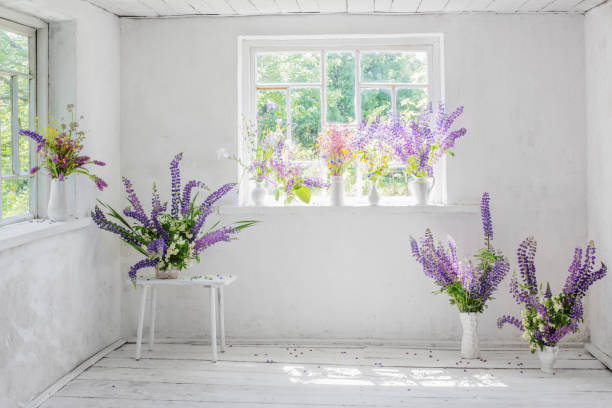

Compact living is becoming the rule rather than the exception in India’s constantly changing urban housing market. For both homeowners and renters, making the most of available space is crucial, whether they are living in a two-bedroom apartment in Delhi, a studio in Bengaluru, or a tiny flat in Mumbai. Nothing affects a room’s appearance and feel more immediately than wall color, even if lighting and furniture arrangement are important factors in improving space. Even the tiniest Indian rooms may seem bigger, lighter, and cozier with the correct paint colors.
Selecting paint colors is both thrilling and difficult in India because of its dynamic culture, varied climates, and distinctive tastes in home décor. Indian houses need colors that can withstand intense sunshine, a variety of textures, and traditional components like brass décor, hardwood furniture, and vibrant fabrics, in contrast to western interiors that often use greys and whites. The finest paint colors for tiny Indian rooms are discussed in this tutorial, along with tips on how to apply them to create a feeling of harmony, coziness, and warmth.
The Significance of Color in Compact Indian Environments
Color defines how space is seen, not only how a wall is decorated. Light hues provide the impression that rooms are larger, ceilings are taller, and walls are further apart. Dark hues are often avoided in smaller areas because they absorb light and create a sense of enclosure. But it’s not only about light and dark. Combinations, finishes, and undertones are also important. For example, a glossy, soft pastel may reflect more light than a matte neutral.
Additionally, a living room that doubles as a study or a bedroom that serves as an office are common features in Indian houses. This emphasizes how important it is to choose wall colors that complement the room’s dual usage without overpowering it.
1. Traditional Off-Whites and Whites
When it comes to creating an airy, open space, White is the clear winner. It provides a clear canvas for both traditional and minimalist Indian décor, reflects light, and illuminates nooks and crannies. Additionally, white walls counterbalance the wooden carvings, vibrant carpets, and heavy furnishings that are often seen in Indian homes.
If pure white is too stark for you, try off-whites like eggshell, cream, or ivory. These shades preserve the feeling of space while adding a little warmth. Off-white walls are a classic option for living rooms, corridors, and little bedrooms because they look stunning when exposed to natural light.
2. Understated Greys for Contemporary Style
In contemporary Indian houses, pale grey hues are becoming more trendy. They provide a soothing, cold impression without being as boring as flat white. While reflecting enough light to keep the area open, a light grey wall may provide depth to tiny spaces.
Additionally, greys complement modern Indian design features like marble floors, chrome lighting, and monochromatic furniture. While light ash grey looks great in living rooms with vibrant couches or striking artwork, soft dove or stone grey may create a clean and elegant effect in a bedroom.
3. Gentle Blues to Promote Coolness and Calm
In India’s hot and muggy atmosphere, cool hues are not only aesthetically pleasing but also useful. A room seems calm and spacious when light blue hues like sky blue, ice blue, or powder blue are used.
Both ethnic and contemporary décor may be used to style blue walls, which look especially good with white accents. Soft blue creates a calm, serene atmosphere in kids’ rooms or little bedrooms. Lighter hues of aqua blue or teal may also be quite effective in bathrooms and kitchens, giving them a cleaner, brighter appearance.
4. Warm Yellow Shades to Promote Joy
In its gentler forms, yellow is ideal for Indian houses that yearn for warmth and light. Without being overbearing, pastel lemon, buttercup, or daffodil yellows may create a pleasant and welcoming atmosphere in a tiny space.
Particularly in areas that face north and get little sunshine, yellow walls enliven the atmosphere and reflect light nicely. These colors go very well with brass accents and brown wooden furniture, which are typical in Indian home design. To create a welcome atmosphere, use yellow in kitchens, small eating areas, and comfortable reading nooks.
5. Pastel Greens for an Eco-Friendly Style
Pastel green is at the forefront of a new design trend that brings the outdoors inside. Mint, sage, pistachio, and seafoam green hues give little Indian rooms a revitalizing, organic feel.
Green is ideal for bedrooms, patios, and even pooja rooms since it inspires harmony and peace. Light green walls combined with indoor plants, jute carpets, and cane furniture can create an earthy, airy aesthetic that is evocative of tropical getaways in tiny urban flats.
6. Taupes and Neutral Beiges for Versatility
When utilized properly, beige is everything but dull. It enhances both classic and contemporary aesthetics and adds warmth without making the space smaller. These colors, whether they’re warm taupe or sandy beige, serve as a neutral backdrop that makes it simpler to try out vibrant furniture.
Indian living rooms and entryways are compact spaces that look great in beige. Additionally, it blends well with wooden panels, soft lighting, and metallic accents like bronze or copper. Beige walls may adapt to your changing taste with seasonal wall art or furniture changes.
7. Rose, Peach, and Blush for Understated Elegance
Shades like blush pink, peach, or dusty rose are perfect if you want a subtle splash of color without overwhelming a space. These shades give the room personality and refinement while reflecting light.
Gold accents and neutral linens look great with pink tones, which are ideal for little bedrooms or vanity nooks. Additionally, they aid in warming up otherwise chilly or uninteresting spaces. These hues provide a romantic softness that complements carved wood and handloom textiles in Indian houses with traditional décor.
8. Lilac and Lavender for a Dreamy Setting
Despite its lack of popularity, lavender and lilac are underappreciated beauties for little areas. These soft purples provide a little humor and encourage serenity without overpowering the space.
These tones complement white or cream furniture and are perfect for children’s rooms, guest bedrooms, or creative spaces. A lavender-toned room may be made more elegant by adding sheer curtains, mirrors, or silver accent pieces.
9. Combinations of Two-Tone Walls for Depth
While preserving space, two-tone walls may break up the monotony of a little space. To attract the eye upward and provide the impression of height, it’s usual practice to paint the top portion of the wall in a bright tone and the bottom portion in a darker hue.
In Indian home design, combinations such as white and pastel green, cream and peach, or gray and light blue look great. Narrow spaces may be made wider by horizontal divides, while low ceilings can be given depth by vertical two-tone accents.
10. Finishes and Accents to Strengthen the Impact
Think about the finish in addition to the hue. While matte surfaces absorb light and seem better in areas that are already well-lit, glossy and satin finishes reflect more light, giving the impression that tiny spaces are bigger.
You may choose a little more striking shade of your primary wall color for accent walls, such as a terracotta accent next to a window or a richer green behind the bed. Just make sure the accent doesn’t overshadow the room.
Additionally, strategically place mirrors to reflect light and use paint to intensify the brightness. Rooms might seem larger and the ceilings taller with light-colored ceiling paint and trim.
In conclusion, one of the most economical and efficient methods to revamp a little Indian room is with paint. little Room, Big Impact. The correct hue can make a lasting impact, whether you’re a renter trying to update your space or a homeowner wanting to redecorate.
The colors you choose, which range from classic whites to soothing pastels and earthy neutrals, should complement your décor, express your individuality, and increase natural light. With careful painting, small spaces in India may appear opulent, comfortable, and charming. Therefore, carefully choose your color scheme and allow color to transform your room, one wall at a time.