

Overview
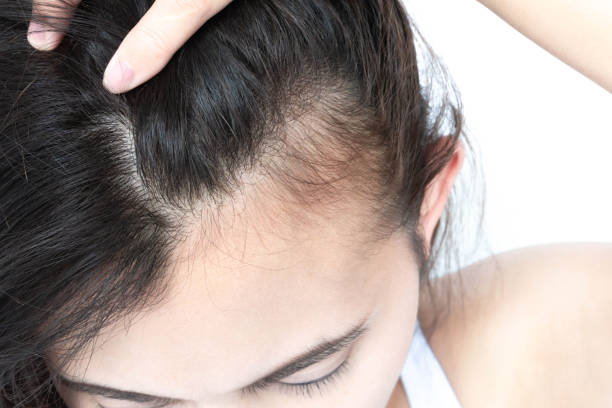
One of the most prevalent issues impacting both men and women nowadays is hair loss. There are several reasons for bald patches or thinning hair, ranging from stress and heredity to lifestyle decisions and illnesses. Although hair loss was formerly thought to be incurable, modern science has developed sophisticated therapies that can help people regain their confidence and hair growth. The newest and best medical therapies for hair loss issues will be discussed in this article.
Knowing the Reasons Behind Hair Loss
It’s critical to comprehend the reasons of hair loss before talking about treatment options. Excessive hair loss is frequently caused by conditions such as androgenetic alopecia (pattern baldness), thyroid issues, dietary inadequacies, inflammatory illnesses, and hormonal imbalances. Selecting the appropriate course of treatment for each patient is ensured by determining the underlying reason through appropriate medical consultation.
Therapy Using Platelet-Rich Plasma (PRP)
PRP therapy is one of the most widely used cutting-edge medical therapies for hair loss. The patient’s own blood is extracted, processed to obtain platelet-rich plasma, and then injected into the scalp as part of this therapy. Growth factors included in these platelets promote natural regrowth, enhance blood circulation, and activate hair follicles. PRP treatment is safe, minimally invasive, and has been very effective for many patients.
Surgery for Hair Transplantation
Hair transplant surgery provides a permanent treatment for people with significant hair loss. Healthy hair follicles from donor locations are transplanted to bald places using procedures like Follicular Unit Extraction (FUE) and Follicular Unit Transplantation (FUT). Modern techniques guarantee minimum scarring and outcomes that seem natural. Hair transplants are among the best ways to restore a full head of hair, while being rather pricey.
Laser Therapy at Low Levels (LLLT)
Low-Level Laser Therapy is another cutting-edge treatment that is becoming more and more well-liked. Laser light is used in this non-invasive process to stimulate the scalp and increase hair follicle cellular activity. Because it causes no discomfort and needs no recovery time, LLLT is frequently used in conjunction with other medical therapies to increase their efficacy. People who suffer from hair loss can use this therapy in a variety of clinics and even at-home devices.
Drugs to Treat Hair Loss
A number of FDA-approved drugs are also often used to treat hair loss. Among the most popular are the topical solution minoxidil and the oral drug finasteride. These medications function by encouraging the development of new hair and delaying the thinning of existing hair. To prevent adverse effects, they must be used consistently and only under a doctor’s supervision.
Stem Cell Treatment and Upcoming Developments
One of the most recent developments that shows promise in the treatment of hair loss is stem cell therapy. This method stimulates dormant hair follicles with regenerative cells, perhaps resulting in regrowth. Clinical experiments have yielded promising outcomes, however research is still ongoing. The way we treat baldness and thinning hair may be completely changed in the future by stem cell treatment.
In conclusion
Hair loss is no longer an issue without answers thanks to developments in medical research. There are several efficient solutions accessible nowadays, ranging from laser treatments and stem cell research to PRP therapy and hair transplants. The first step in determining which treatment is best for a person’s condition is to speak with a skilled dermatologist or trichologist. In the end, receiving the proper care not only aids in hair growth but also boosts self-esteem and confidence.