
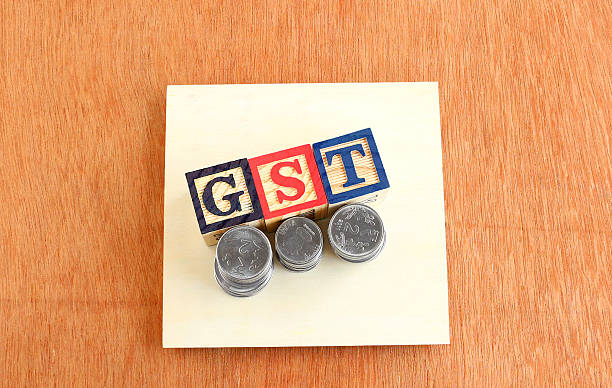

The way companies function in India has been profoundly changed by the Goods and Services Tax (GST). Comprehending and adhering to GST is essential for small company owners to ensure seamless operations and steer clear of legal issues. Although the GST streamlines indirect taxation by eliminating many state and federal taxes, it also presents a unique set of difficulties, particularly for small businesses that are unfamiliar with tax arrangements. Here are some excellent GST suggestions for Indian small company owners to assist manage compliance and maximize tax savings, regardless of whether you’re a dealer, service provider, or online retailer.
Recognize Your Needs for GST Registration
Finding out whether your company needs to register for GST is one of the most crucial stages. According to the most recent regulations, companies that generate more than ₹40 lakhs in revenue annually (₹20 lakhs in special category states) are required to register for GST. Regardless of turnover, registration is required if you engage in e-commerce or interstate supply. Additionally, voluntary registration might help your firm become more competitive by enabling you to claim the input tax credit (ITC).
Select the Appropriate GST Scheme
If a small business’s annual revenue is less than ₹1.5 crore (₹75 lakhs for states in the northeast), they may choose to participate in the Composition Scheme. With this plan, you may pay GST at a set rate with less compliance; but, you are unable to produce taxable invoices or receive input tax credits. Despite the additional requirements, the normal scheme can be a preferable option if you participate in interstate transactions or if the majority of your customers are GST-registered companies. Your cash flow and profitability might be greatly impacted by the strategy you choose.
GST Tips for Indian Small Business
Filing returns on time is essential to maintaining GST compliance. GSTR-1, GSTR-3B, and sometimes yearly returns must be filed on a monthly or quarterly basis, depending on the kind of registration you have. Your company operations may be impacted by late filing penalties, interest on overdue taxes, and possibly the suspension of your e-way bill access. You can make sure you never miss a deadline by automating your GST filing or by working with a tax expert.
Maintain Organized and Digital Records
Under GST, maintaining accurate paperwork is crucial. This include delivery challans, purchase bills, debit/credit notes, invoices, and e-way bills. Filing returns is made simpler and quicker when your data are digitally kept and well-organized, particularly when the GST authority is issuing notifications or conducting audits. GST-enabled accounting software may assist produce correct filing reports and minimize human mistake.
Carefully Claim Your Input Tax Credit
One of the main benefits of the GST system is the Input Tax Credit (ITC), which lets you deduct the tax you pay on purchases from the amount of output tax you owe. However, the seller must have submitted their GSTR-1 and paid the tax in order to claim ITC. To guarantee credit eligibility, small company owners must routinely reconcile their purchase data with their GSTR-2B. Steer clear of non-compliant merchants since they may result in blocked credits and higher expenses.
Create Invoices That Comply with GST
Specific information such the GSTIN, HSN/SAC codes, taxable value, relevant tax rates, and total amount must be included in GST invoices. Your clients may be subject to fines and ITC denials if you send them inaccurate or incomplete invoices. Accuracy is maintained and each bill conforms with GST regulations when accounting software or invoice creation tools are used.
Utilize E-Way Bills for Travel
It is required to generate an e-way bill if you are transporting products valued at more than ₹50,000 within or between states. Transparency is guaranteed, and the e-way bill helps prevent fines or delays while in transit. To simplify compliance, small company owners should get acquainted with the e-way bill site or incorporate it with logistical software.
Keep abreast on GST changes.
With regular updates, notices, and circulars from the GST Council and CBIC, GST legislation are always changing. It’s critical for small company owners to stay abreast of these developments. You may keep updated and prevent inadvertent non-compliance by subscribing to trustworthy GST news sites, going to webinars, or speaking with a GST specialist.
Watch Out for Typical Errors
Avoidable GST mistakes, such erroneous GSTINs, improper tax rate applications, non-reconciliation of returns, or late payments, are often made by small firms. These errors may affect your cash flow and company connections in addition to resulting in fines. Such inaccuracies may be avoided by conducting regular audits of your GST records and cross-verifying data utilizing digital technologies.
For complex issues, think about getting professional assistance.
Small company owners often attempt to handle GST on their own, but for complicated matters like refund claims, audits, or compliance letters, it might be helpful to speak with a chartered accountant or GST specialist. Professional guidance helps minimize liability, maximize tax planning, and guarantee you’re taking advantage of all possible advantages.
In conclusion, GST presents a chance for growth.
GST is a tool for company transformation as well as a tax system. In India, small company owners benefit from simpler interstate operations, more reputation, and access to larger customers with effective GST compliance. Small firms may use taxes as a competitive advantage and maintain compliance by heeding these best practices for GST. Your company will prosper in the new GST-driven economy if you embrace technology, keep educated, and practice disciplined taxation.